Transport Engineering
We provide end-to-end technical support for onshore, offshore, and marine transport, specializing in seafastening design, FEM analysis, and vessel stability calculations. Our team develops comprehensive method statements and technical documentation to ensure every operation is safe, compliant, and efficient. From initial tender support to advanced simulations, we deliver the engineering precision required for complex project cargo.
Onshore Transport Engineering
Designing safe cargo restraint systems involves a detailed analysis of the forces acting on the cargo during transport and the specific conditions of the route.
This includes calculating the necessary strength and type of lashing materials, ensuring compliance with safety regulations, and creating detailed plans that specify how cargo should be secured to prevent movement and damage during transit.
Rigging and lifting studies focus on the safe execution of lifting operations. This involves selecting the appropriate equipment, such as cranes, slings and shackles, and determining the optimal lifting sequences.
The studies also include load calculations, risk assessments and the development of detailed lifting plans to ensure that operations are conducted safely and efficiently.
Swept path analyses use advanced simulation tools to verify that cargo can safely maneuver through the planned route. This involves modeling the vehicle and cargo dimensions, analyzing turning radii, and identifying potential obstacles or spatial constraints.
The goal is to ensure that the transport can be executed without incidents, taking into account the physical limitations of the route.
Transport solutions provide comprehensive technical documentation that illustrates the chosen transport method, the equipment to be used and the route to be followed.
These documents include detailed diagrams, specifications and instructions that guide the transport process, ensuring that all aspects are planned and executed correctly.
Rail transportation solutions involve assessing the feasibility of transporting cargo by rail, validating spatial clearances, designing detailed securement plans, and customizing the design/fabrication of steel support structures as required.
This includes ensuring the overall cargo profile is maximized within the available space allowable by the rail operators while aiding in the verification of any potential obstructions, ensuring that the cargo can be safely transported.
Marine Transport Engineering
Stowage plans involve creating an optimized layout for cargo on vessels or barges to ensure safety and efficiency. This includes considering the crane outreach, rigging configuration, loading/rigging sequence, stability and other factors.
The plans aim to identify a suitable asset to maximize space utilization and ensure compliance with maritime safety regulations.
Lashing and securing plans for sea transport are designed to withstand the unique challenges posed by vessel motion and marine conditions.
These plans specify the types and arrangements of restraint systems, such as chains, wires, stoppers and/or bracings to secure cargo against the forces of waves, wind and vessel movements. They also ensure compliance with marine regulations and standards.
Rigging and lifting studies in marine environments assess the safe execution of lifting operations, including offshore lifting and scenarios involving floating cranes.
These studies involve selecting appropriate lifting gear, calculating load capacities and stability, and developing detailed lifting sequences. They also include risk assessments and contingency plans to address the complexities of marine lifting operations.
Stability calculations verify the stability of vessels or barges during all phases of transport. Stability calculations are performed as per IMO or DNV regulations and consider typically the nature of the voyage, cargo wind shape factors and voyage-specific ballast conditions.
The calculations are fundamental to ensure a safe transport of the cargo at sea.
Ballast calculations involve planning the distribution of ballast water to maintain a safe draft and trim of the vessel during load-in/out operations as well as during sailing. The ballast calculation determines suitable tidal windows, pump and tank requirements, among others.
Ballast planning is crucial from the early stages onwards—for selecting the correct equipment, determining feasibility and ensuring safe operations.
Naval Architecture
Seafastening and load spreading design involves creating structural interfaces between the cargo and the deck of a vessel for oceangoing transports. This includes designing secure fastening systems that distribute the load evenly across the deck to prevent damage to both the cargo and the vessel.
The design ensures that the cargo remains stable and secure throughout the voyage, even in rough conditions.
Motion and stability analyses evaluate the dynamic behavior of a vessel and its roll responses during transit. This involves simulating the vessel’s movements in various ocean conditions to assess the vessel’s stability and predict how it will respond to waves, wind and other forces.
The analysis serves as the basis for defining weather limits for the voyage, ensuring that the structural integrity of the cargo is safeguarded and can be considered during the cargo design phase.
Barge deflection studies analyze the deformation of a barge under extreme cargo conditions. This involves assessing how the barge bends or flexes when subjected to heavy or unevenly distributed loads.
The studies help in adopting stowage and ballast plans to minimize deflection and ensure barge integrity during all stages of the operation.
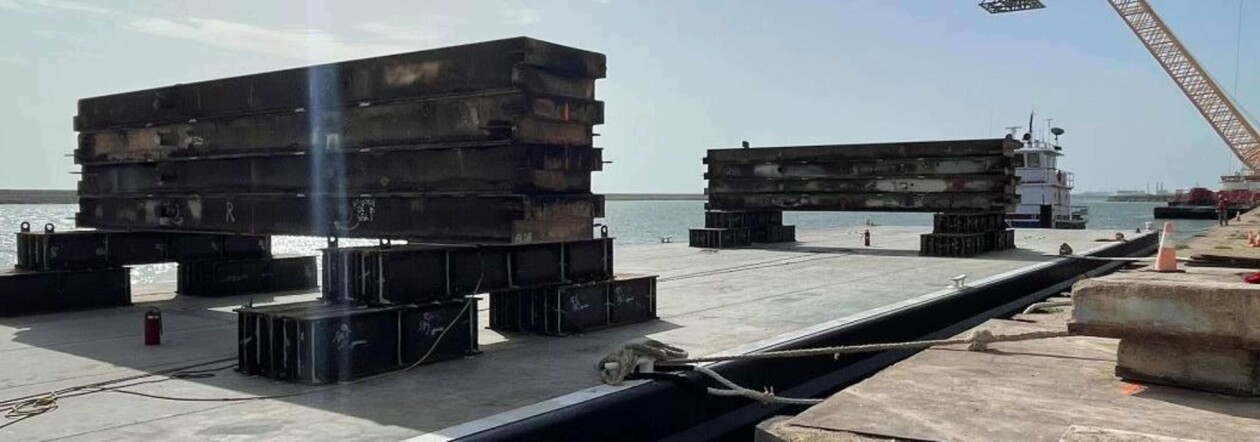
Deck strength analyses verify the structural capacity of a vessel’s deck to support concentrated cargo loads. This involves calculating the stresses and strains on the deck structure to ensure it can withstand the weight and distribution of the cargo.
The analysis helps to prevent structural failure and ensure the deck can safely carry the intended loads.
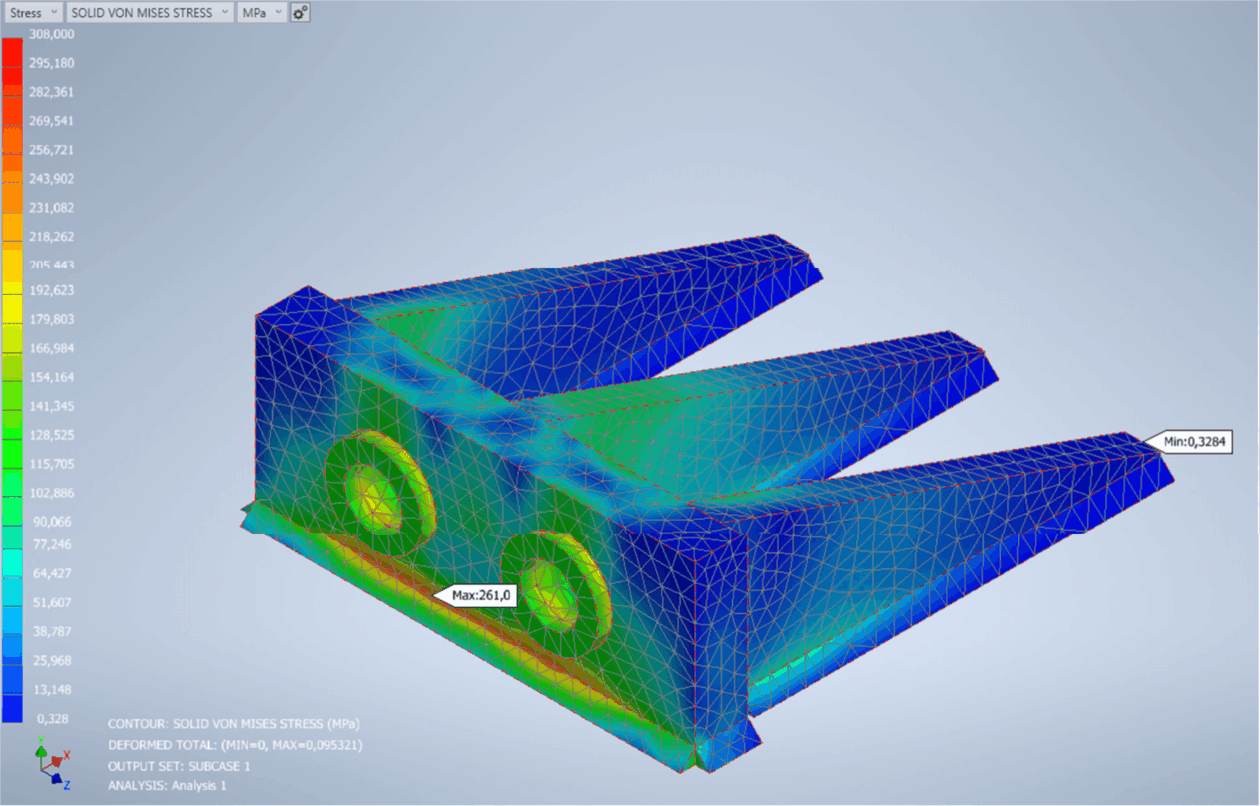
A Finite Element Analysis (FEA) is a simulation method used to assess how cargo and transport structures respond to real-world loads. It identifies stress concentrations and weak points, helping engineers to optimize designs for safety and durability.
FEAs help to optimize the design for strength and durability, ensuring the structure can withstand operational loads.
Project Engineering
Method statements provide clear, step-by-step procedures for executing technical operations. These documents outline the specific tasks, tools and techniques required to complete a project safely and efficiently. They include detailed instructions, safety precautions and quality control measures to ensure that all aspects of the operation are carried out correctly and consistently.
Technical proposals involve creating comprehensive engineering content and justifications to support tenders and proposals. This includes detailed descriptions of the proposed solutions, technical specifications and the rationale behind the chosen methods.
The proposals aim to demonstrate the feasibility, benefits and innovation of the engineering solutions to secure project approval and funding.
Technical due diligence involves conducting thorough risk assessments and validating third-party engineering work. This includes reviewing designs, calculations and methodologies to ensure that they meet industry standards and project requirements.
The process helps to identify potential risks, verify the accuracy of the engineering work and ensure the project’s overall integrity and safety.
Tender support provides engineering input to bid submissions, focusing on technical feasibility and innovation. This involves collaborating with the bidding team to develop compelling technical content, addressing the project’s requirements and proposing innovative solutions.
The goal is to enhance the bid’s competitiveness by showcasing the engineering expertise and the viability of the proposed approach.